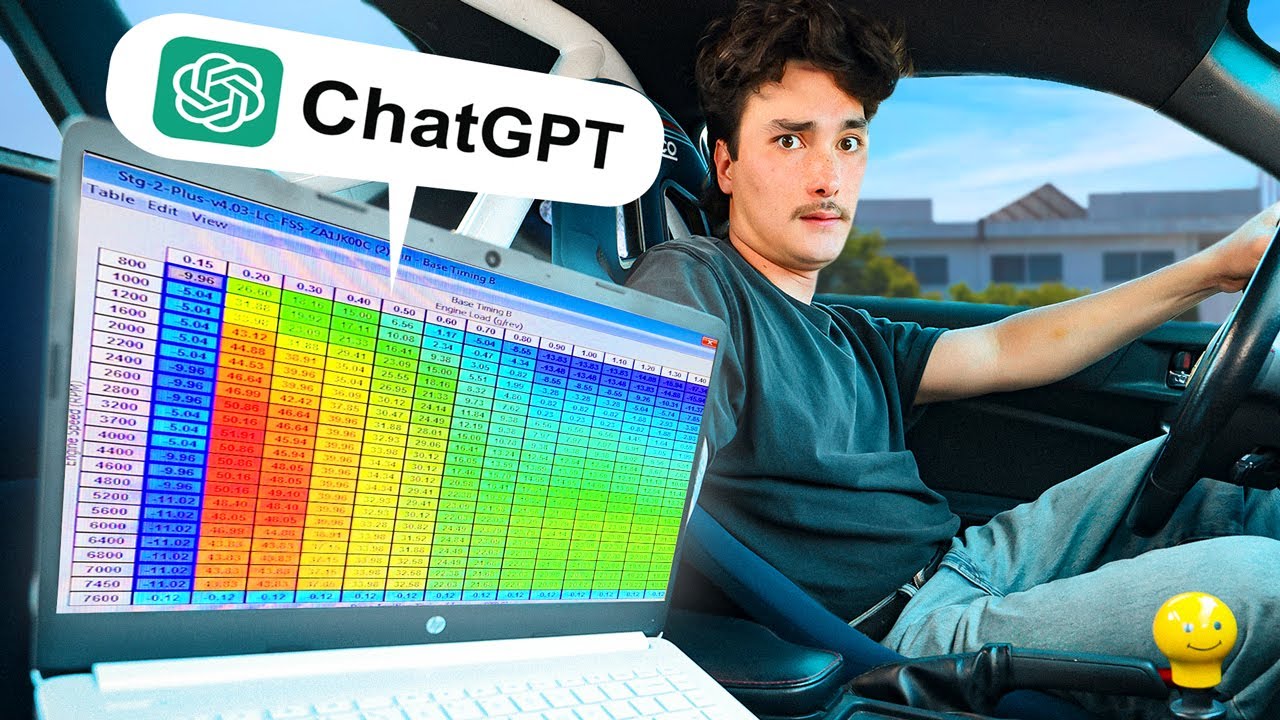
Artificial intelligence is everywhere these days, even stepping into the world of automotive tuning. A recent experiment attempted to use AI to create a custom performance tune for a modified 2013 Toyota 86 (also known as the FRS). The goal was to see if AI could replace professional tuners by generating tune files that optimize air, fuel, and ignition timing for maximum power and reliability.
Why tuning matters: The engine control unit (ECU) acts like the conductor of an orchestra, coordinating fuel injection, air flow, and timing so the engine runs smoothly and efficiently. When you add aftermarket parts, a custom tune adjusts those parameters to make sure everything works in harmony, delivering better performance without risking engine damage.
The AI was fed detailed specs and tuning requirements but ran into a variety of obstacles, including compatibility issues with proprietary tuning software and incorrect base maps. Despite its confident responses, the AI-generated tunes failed to start the engine properly. This highlights a big challenge with AI in automotive tuning: it can sound authoritative but still produce unreliable or even harmful results without expert oversight.
What Florida drivers should know
While the idea of AI tuning sounds exciting, the reality is that professional knowledge is still essential. Tuning a car is complex and requires specialized tools and experience that AI currently cannot replace, especially for heavily modified vehicles. If you’re looking for reliable vehicles or advice on modifications in Orlando, dealerships like Florida Auto Center offer expert guidance and quality used cars that are ready to perform without guesswork.
For now, think of AI tuning as an interesting experiment rather than a replacement for skilled tuners. It shows promise but also reminds us how important trustworthy automotive insights are when working on performance upgrades.
🎥 Want to see the full video? Watch it here: https://www.youtube.com/watch?v=AbclDpoIj90